What is telecommunications recycling and precious metals recovery
Customers are increasingly turning to us with their needs for responsible telecommunications recycling and precious metal recovery from their surplus and obsolete telecommunications network equipment. Also known as urban mining, it is defined as the process of recovering compounds and parts from electronic equipment that would otherwise go to landfill. Check this page to find out about these metal processes: https://www.ncbi.nlm.nih.gov/pmc/articles/PMC7970511/.
Recycling companies’ customers thus play an important role in reducing the demand for precious metals and the energy required for their production, such as mining, which can have adverse environmental consequences, including increased CO2 emissions. In addition to benefiting the environment, urban mining telecommunications equipment can also create new revenue streams for your business, turning unwanted assets into financial gain.
Precious metals in electronic waste
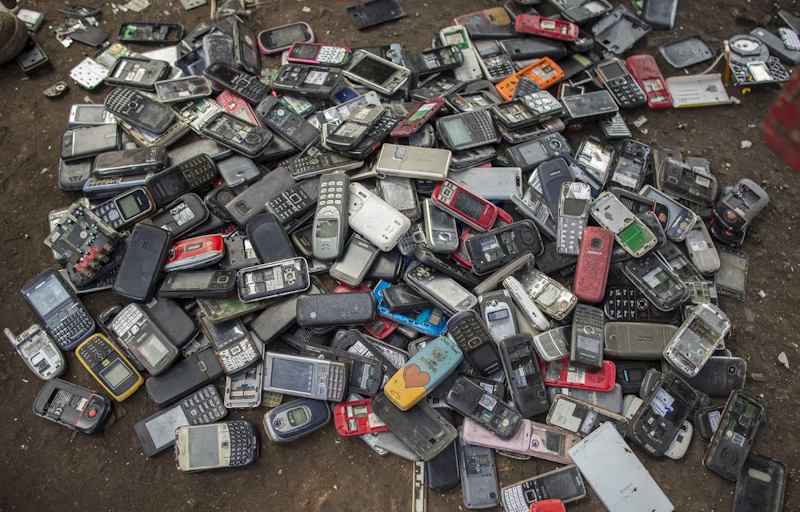
If resale and reuse is not an option, don’t assume that scrapping from landfills is your only route. It is often possible to recover precious and critical metals such as gold (Au), silver (Ag), palladium (Pd) and copper (Cu) from e-waste. All of these materials are needed to make new electronic devices.
Printed circuits used in telecommunications equipment are among the highest yielding electronic panels in terms of precious metals. However, it’s not just circuit boards that can deliver results. There are precious metals in many other electronic waste materials such as cables (i.e. copper cables, coax cables and so on), processors, computer memory and a variety of other items such as connectors and cabinet backplanes to maximize customer revenue generation.
It pays to work with a specialist company that knows how to get the most out of your old telecommunications equipment. They not only do understand very well where the value of your products lies; the size of some of these companies allow them to leverage relationships with the world’s largest foundries to maximize value for our customers.
Responsible telecommunications recycling
They are committed to meeting the highest standards for responsible telecommunications recycling. They ensure that all hazardous and non-hazardous materials are recovered in an environmentally friendly manner and we will provide you with full traceability on all materials containing hazardous elements in accordance with current legislation. As a result, they have become reliable telecommunications recycling and precious metals recovery partners for some of the most respected companies in the world.
By recycling telecommunications equipment, you can enjoy the transparent results of reporting and analysis, while benefiting from the economic gains and environmental benefits offered by precious metal recovery.
Recycle telecommunications parts
If you are considering selling a material containing precious metals and would like an assessment from an established industry leader with an in-depth understanding of responsible e-waste recovery management and WEEE recycling regulations for businesses, contact one of them. Together, they can make a significant contribution to protecting the environment and ensuring a long-term supply of these valuable resources.
Gold recycling in electronic equipment
Gold recycling from electronic equipment is a good practice for both environmental sustainability and resource conservation. Within electronic devices like smartphones and computers, small amounts of gold are used in circuitry and connectors. Check this article https://www.bbc.co.uk/news/blogs-magazine-monitor-28802646 to find out how much gold can be retrieve from a mobile phone.
Recycling these devices when they become obsolete allows for the extraction of gold, reducing the need for new mining and lessening environmental impact. This can help to recover valuable metals that might otherwise end up in landfills, contributing to pollution. Modern advanced techniques, including chemical extraction and refining processes, are employed nowadays to separate gold from other materials in electronic waste. By promoting gold recycling, we can diminish the environmental footprint of electronic production and contribute to a more sustainable future.
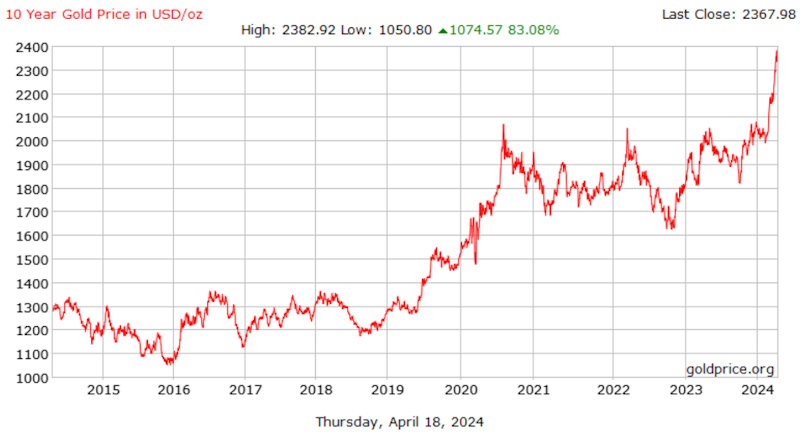
If you are interested in knowing more about gold and the recent bull market, check this website: https://goldsupply.org/. They have tons of information on gold investing including gold IRAs.